Category: power lift chairs
Posted by 2025-12-24 11:12
hoyer lift for toileting
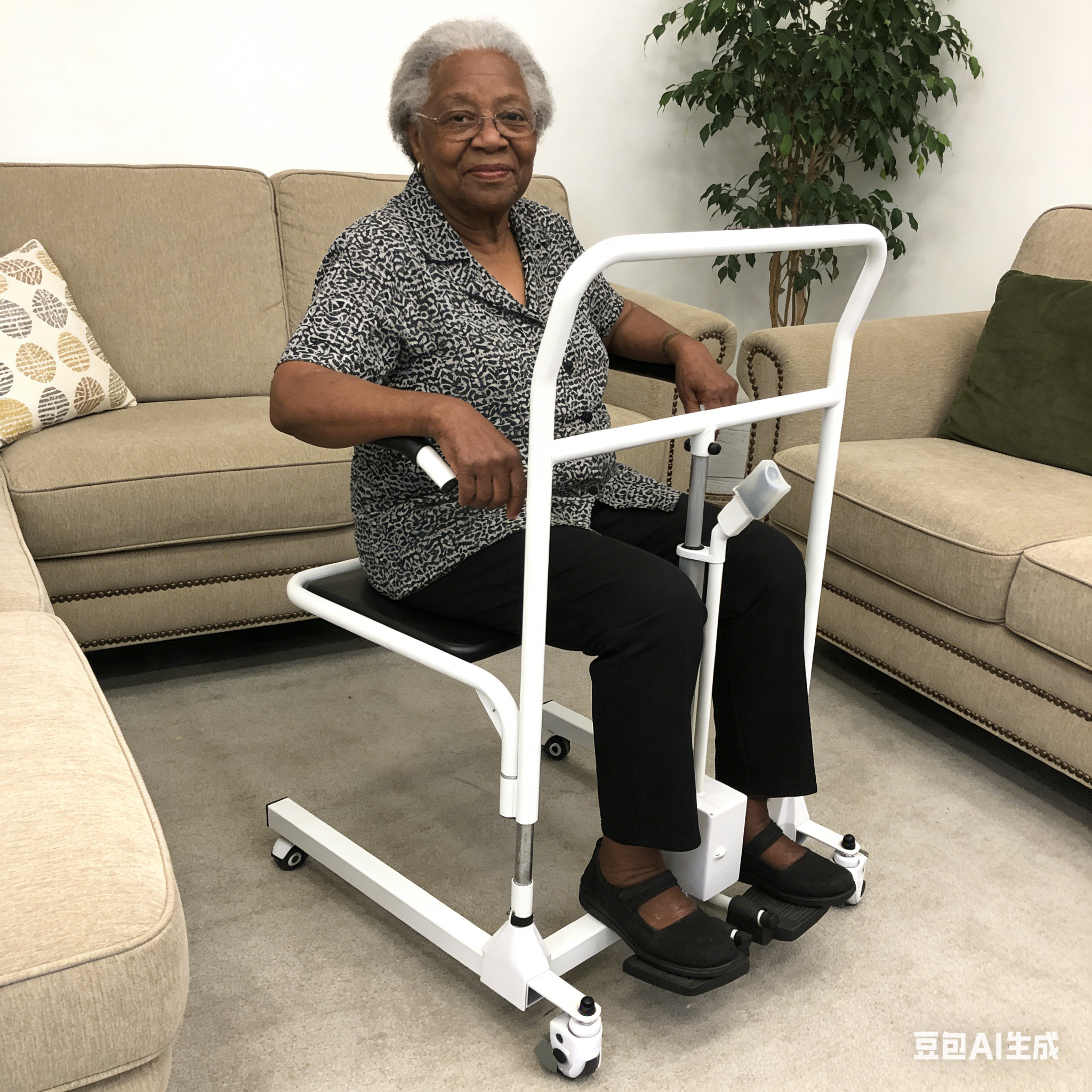
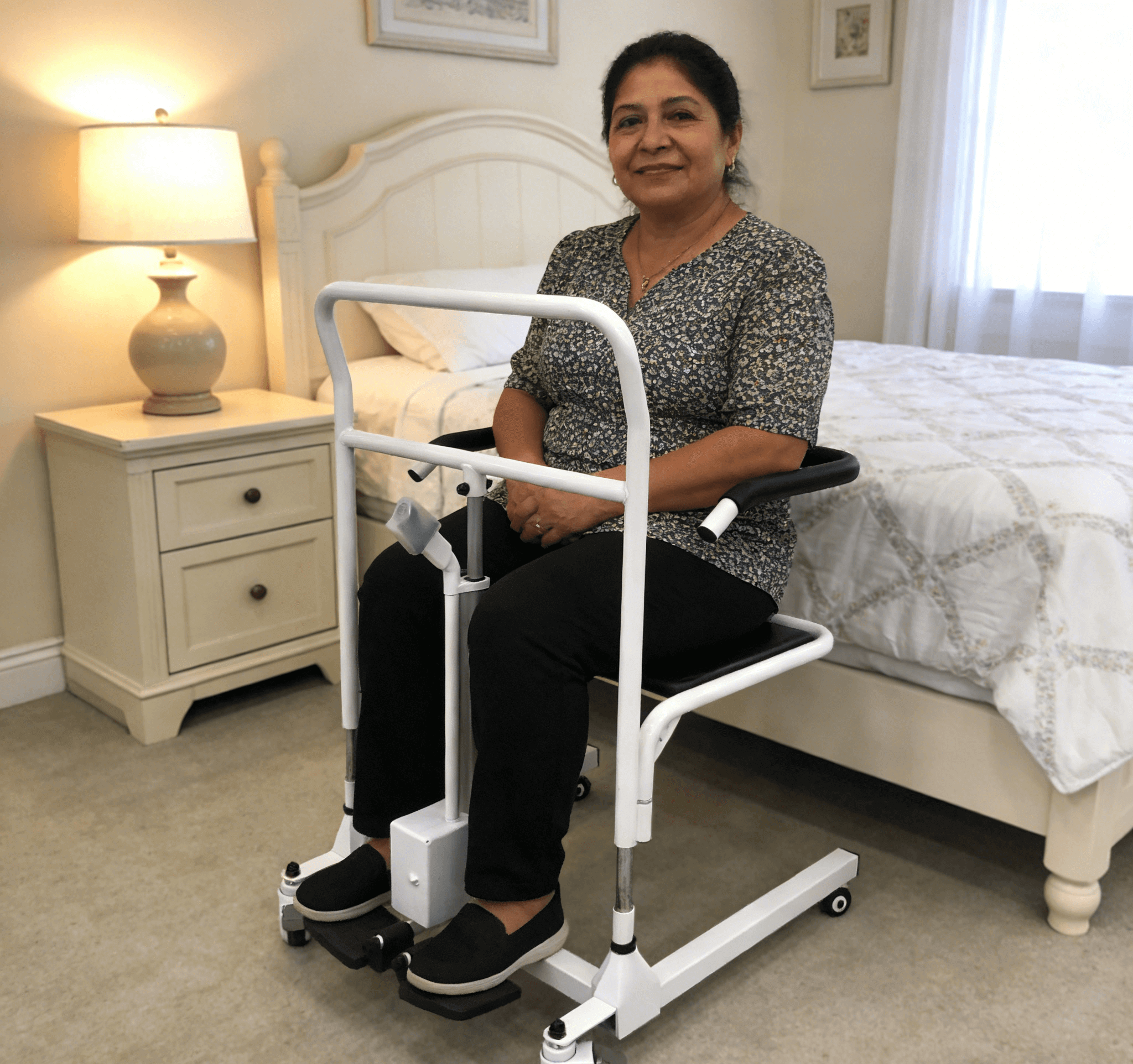
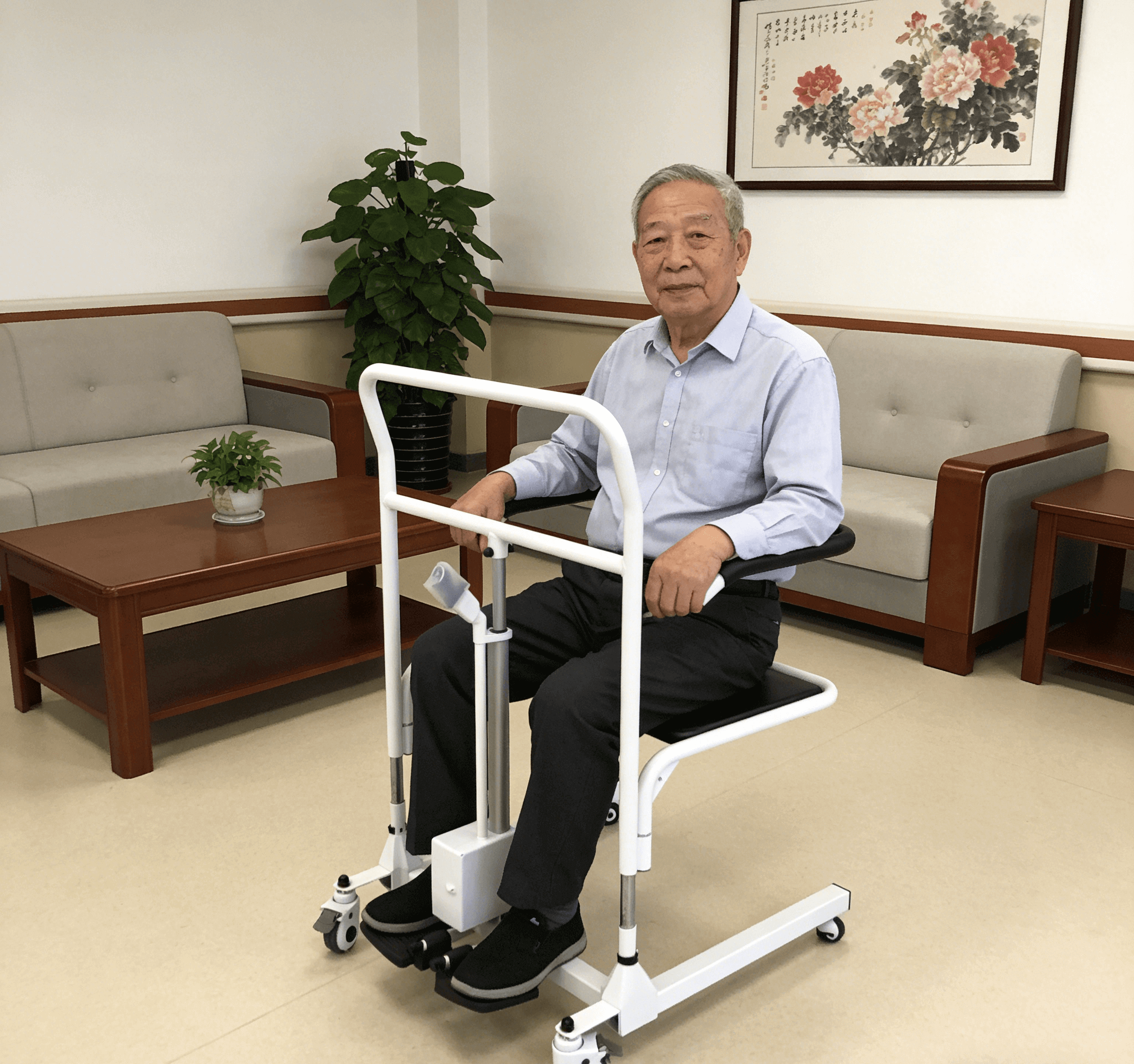
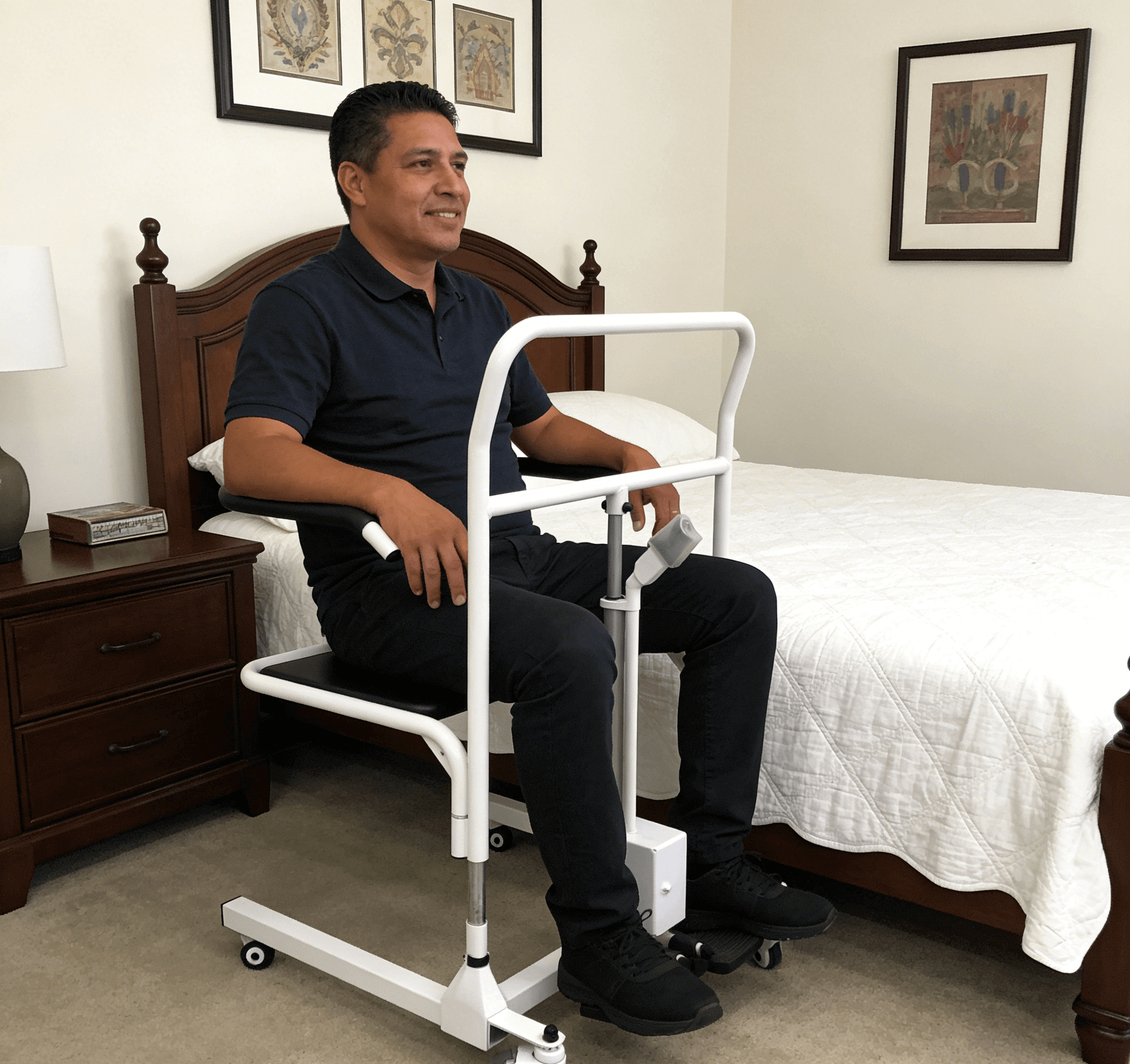
Hoyer Lift for Toileting: An Intelligent Solution to Enhance Dignity and Care Safety for People with Disabilities During Toileting
In today's rapidly aging society, ensuring the quality of daily life for people with mobility impairments (such as the elderly, people with disabilities, and post-surgery patients) has become a crucial issue in both home care and professional medical fields. Among daily activities, toileting—though seemingly simple—poses significant challenges for people with disabilities. It not only carries safety risks like falls and slips but also may lead to the loss of privacy and dignity due to reliance on others' assistance. To address this problem, the Hoyer Lift for Toileting (a specialized lifting and transfer device for toileting) has emerged as an indispensable auxiliary tool in the modern care system.
I. What is a Hoyer Lift for Toileting?
Originally, "Hoyer Lift" referred to a type of patient transfer and lifting system developed by the British company ArjoHuntleigh (now part of the Arjo Group). Due to its efficient and safe design, it was widely adopted and gradually became a synonym for patient lifts. However, "Hoyer Lift for Toileting" does not specifically refer to a single product; instead, it is a general term for Hoyer-style lifting and transfer devices equipped with toileting or commode functions.
Such devices typically have the following core features:
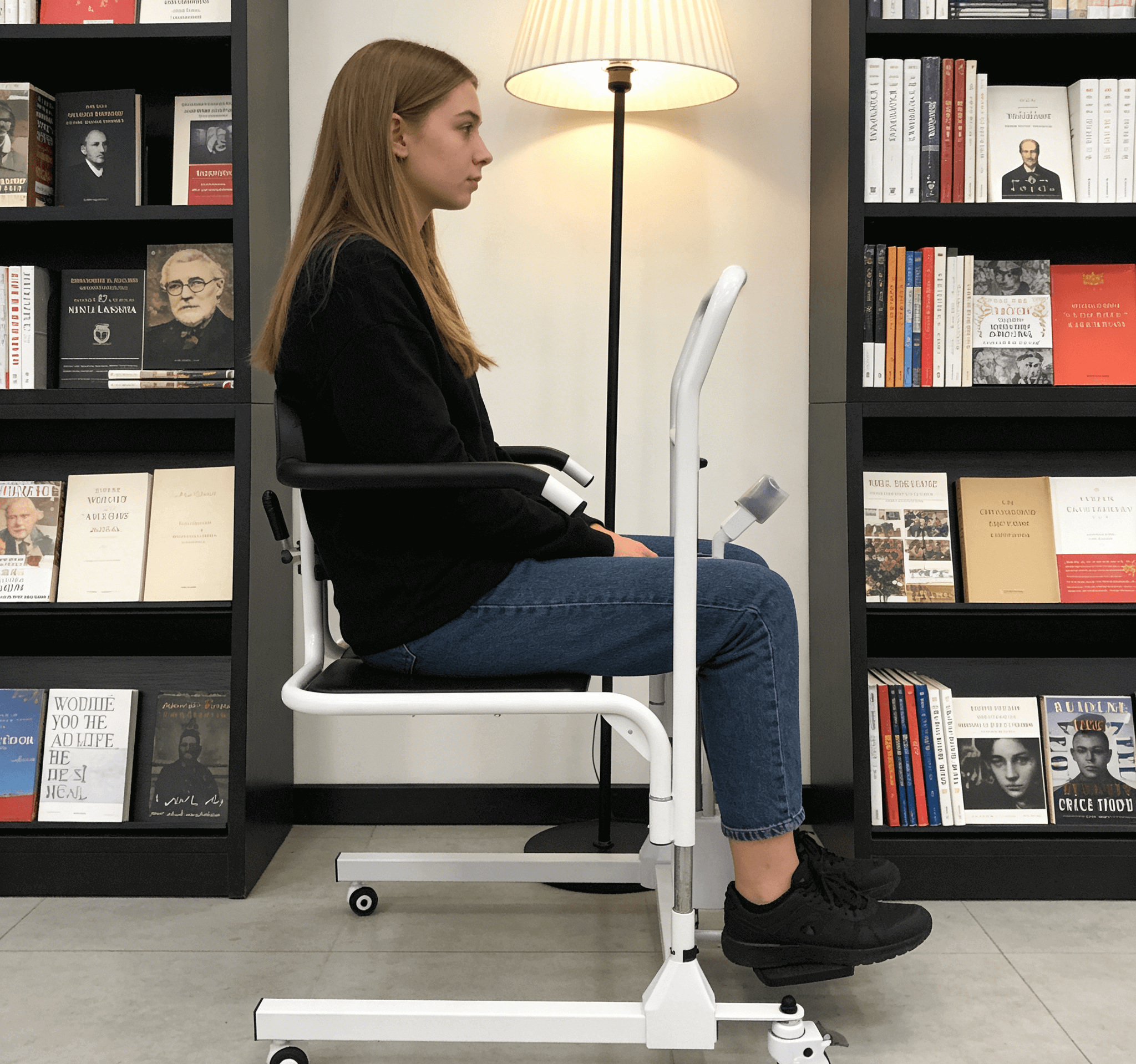
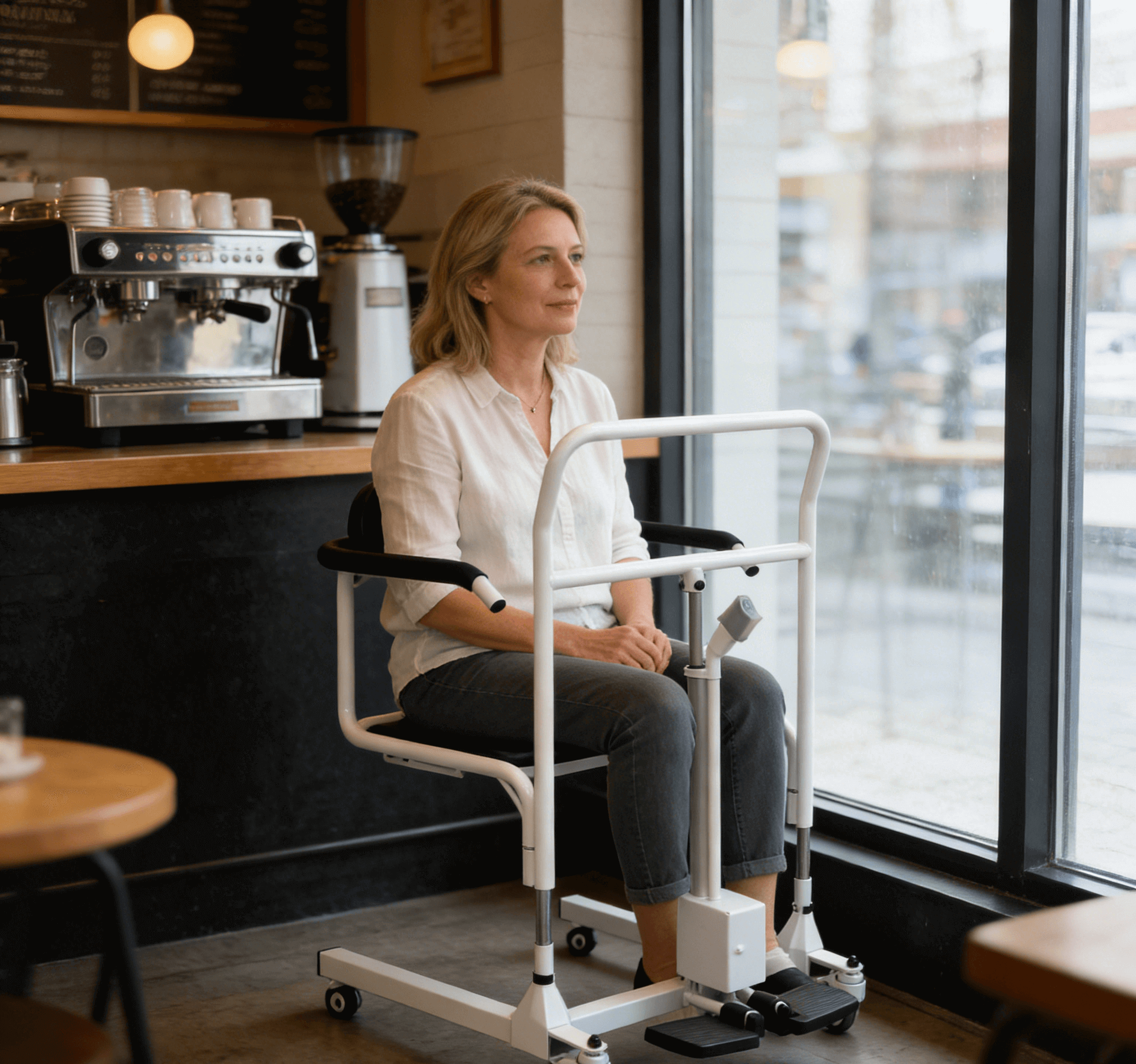
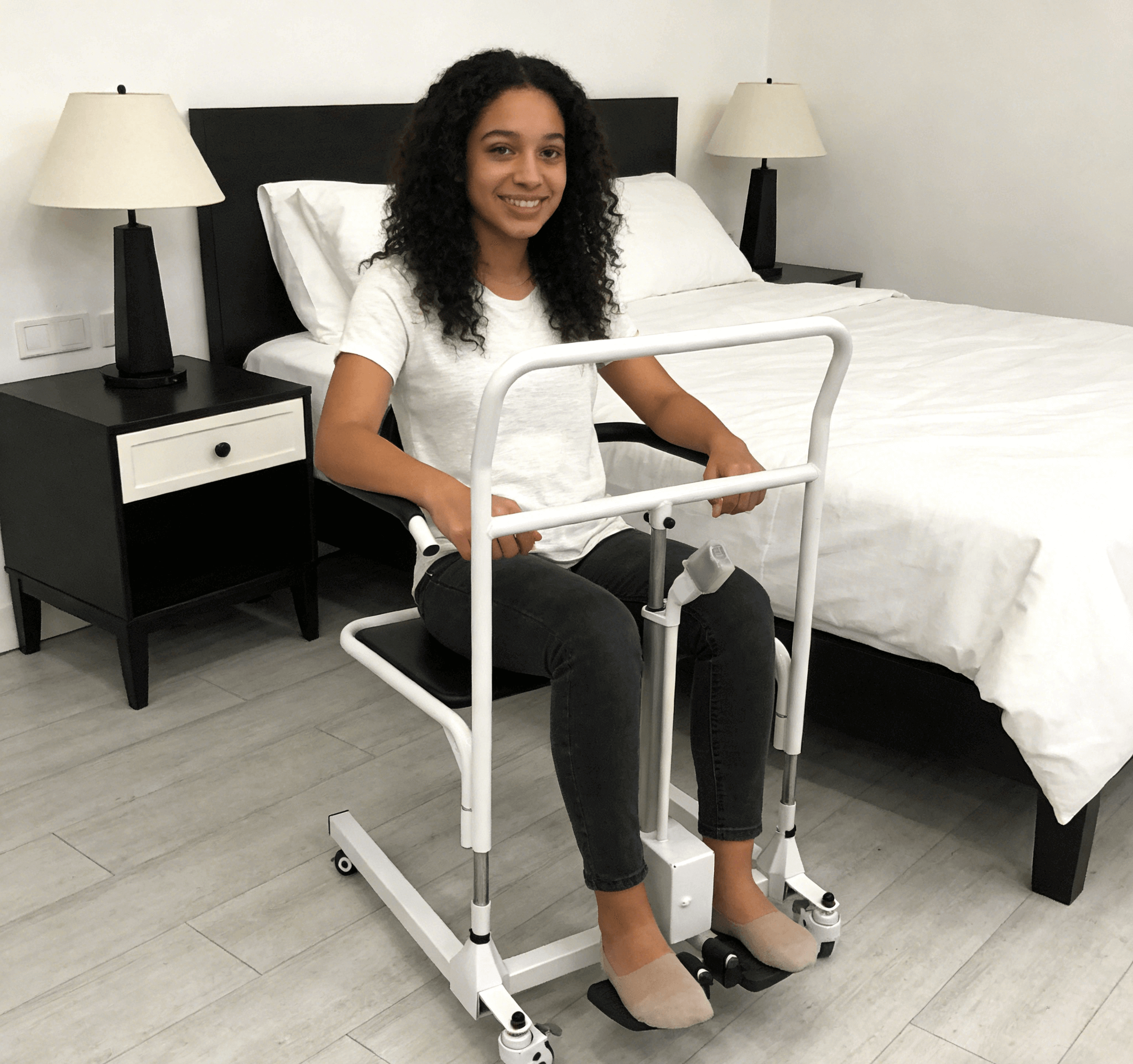
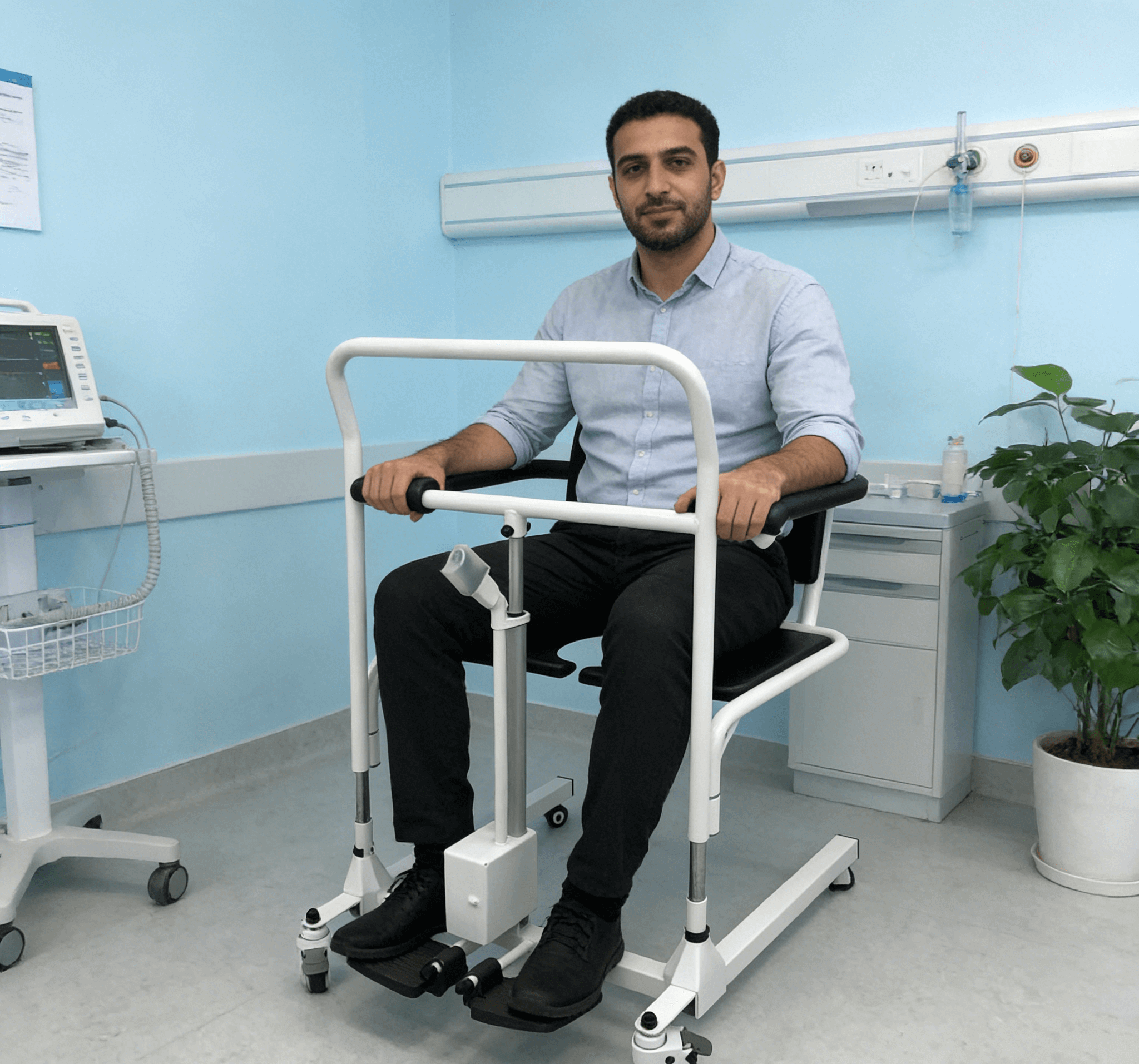
Integrated detachable commode: A waterproof bedpan is built into the bottom of the seat, which can be directly used for toileting or removed to align with a household toilet.
Hydraulic or electric lifting system: The height is controlled by a hand pump or motor to lift or lower the user smoothly.
Wheeled base with braking device: Facilitates movement between the bed, bathroom, and shower room, ensuring stable mobility.
Ergonomic seat cushion and armrests: Provide support, prevent slipping sideways, and enhance comfort.
Strong weight-bearing capacity: Most models can support 136–200 kg (300–450 lbs), meeting the needs of obese patients or those with severe disabilities.
Examples of product names:
"Multifunctional Hydraulic Patient Lifter with Commode Function"
"Manual Transfer Chair with Toilet Bucket for Elderly and Disabled"
II. Why is a Specialized Toileting Lifting Device Needed?
1. Reducing the Risk of Occupational Injuries for Caregivers
According to statistics from the World Health Organization (WHO), over 60% of back injuries among caregivers result from manual patient handling. The traditional method of "carrying or lifting" patients easily leads to muscle strains or herniated discs. Hoyer toileting lifts replace manual labor with mechanical force, significantly reducing physical strain.
2. Ensuring User Safety and Dignity
Prevents fall accidents caused by unsteady standing during toileting.
Reduces exposure time, preserving personal privacy.
Users can partially participate in operations (e.g., controlling the lift button), enhancing their sense of autonomy.
3. Improving Care Efficiency
A single device can complete the entire transfer process from "bed → toilet → bathroom," eliminating the need for multi-person collaboration. It is particularly suitable for home care scenarios where only one caregiver is available.
III. Main Types and Applicable Scenarios
Type Features Target Users
Manual Hydraulic Low cost (approximately $150–$300), no power supply required, simple structure For daily home use; users with mild to moderate disabilities
Electric Lifting Button operation, labor-saving and efficient; some models have height memory function Users with severe disabilities; those requiring frequent toileting
Multifunctional Transfer Chair Combines toileting, showering, and mobility functions; foldable for storage Small households; elderly care institutions
Ceiling Track Type Fixed installation, covering the entire path from bedroom to bathroom High-end residences; rehabilitation centers
Note: Most "Hoyer-style toileting lifts" provided by Chinese manufacturers (such as KDB and Yearstar) have obtained CE or ISO 13485 certification. They offer high cost-effectiveness and support customization of commode size and armrest angle.
IV. Purchasing Recommendations
Confirm weight capacity and size: Measure the user's weight and hip width to ensure the device is suitable.
Check commode material: Prioritize antibacterial and easy-to-clean materials such as PP (polypropylene) or stainless steel.
Focus on stability: The base width should be ≥70 cm; universal wheels with dual brakes are safer.
Consider space layout: For small bathrooms, choose foldable or narrow-body designs.
Prefer models with sling-compatible interfaces: Facilitate future upgrades to a full-body sling transfer system.
V. Future Trend: Integration of Intelligence and Humanization
With the development of technology, hoyer lift for toileting the new generation of toileting lifting devices is incorporating more intelligent features:
Voice-controlled lifting (suitable for users with aphasia or upper limb disabilities)
Automatic sensor reminder for seating
APP-based recording of toileting frequency (for health monitoring)
Safety protection against hand pinching and overloading
These innovations will further promote the realization of the concept of "aging with dignity."
Conclusion
The Hoyer Lift for Toileting is not just a medical device; it is a bridge connecting safety, dignity, and humanistic care. It helps people with disabilities regain control over their lives and frees caregivers from heavy physical labor. As home-based elderly care and community rehabilitation become increasingly popular, the rational deployment of such devices is a key step in building accessible living spaces.